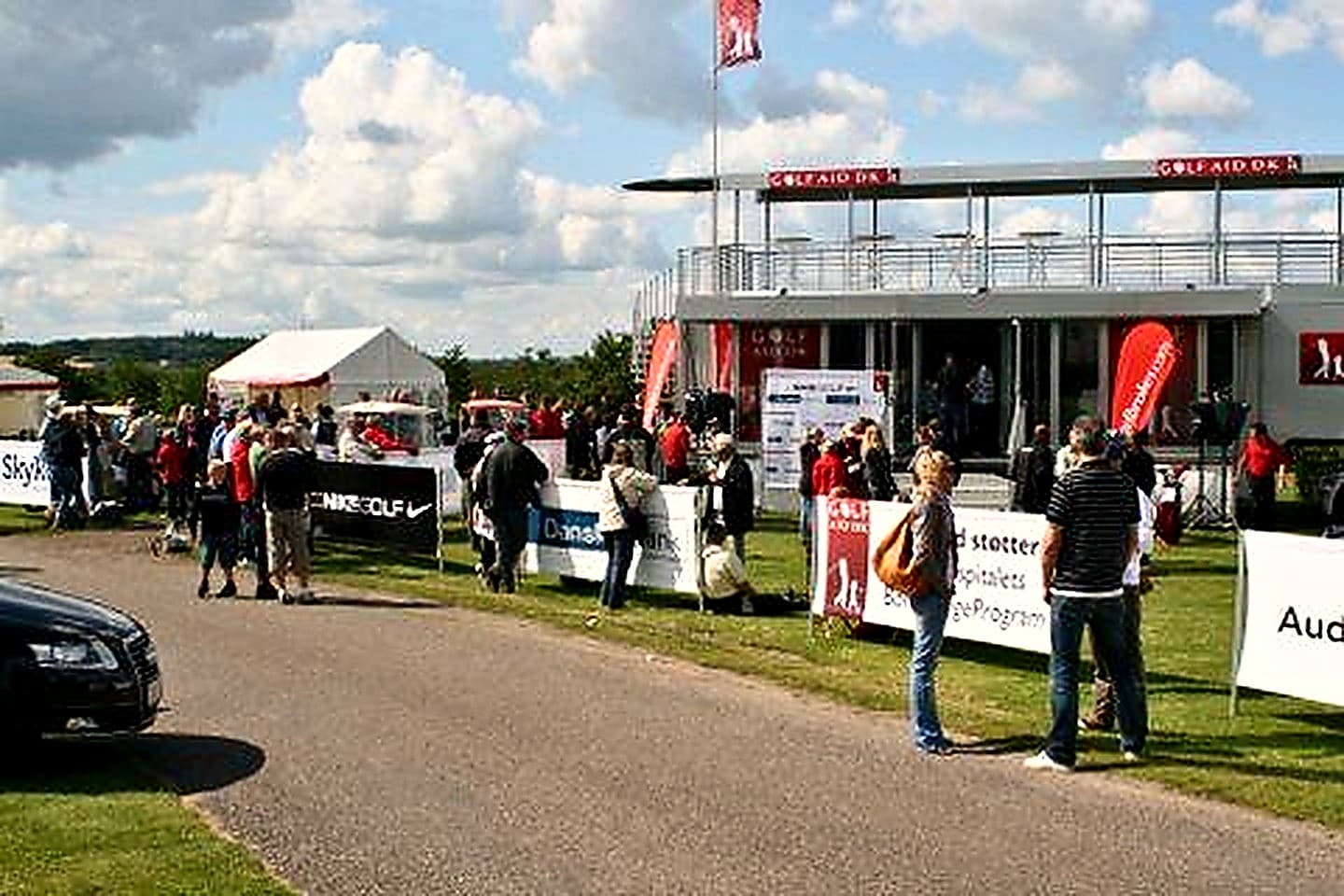
Good advice
10 tips for running events
A good event is about much more than the day itself. Permits, power, water, safety and logistics must be in place in good time. Here is our event planning checklist, the same one we use with our own trucks.
- 01
Start with the purpose and the target group
Should the event generate leads, launch a product, strengthen customer relationships or give employees an experience? The purpose determines everything else: venue, duration, content and budget. Write it down in one sentence and share it with everyone involved in planning the event.
- What should guests do, feel or know afterwards?
- Who is the target group, and how many guests do you expect?
- How will you measure whether the event succeeded?
How we help: Our Event Planner gathers purpose, target group and schedule into a brief in just a few minutes.
- 02
Apply for permits in good time
Many events require one or more permits, and processing can take several weeks. If you are on a square, a plaza or a road, you will usually need permission from the municipality to use public road space. An outdoor event in a public place may require police permission, and if you are selling or serving alcohol, you may need a temporary licence. Large tents, stages and grandstands may also require approval as temporary structures under the building regulations.
- Use of public road space: the municipality
- Permit for an outdoor event: the police
- Temporary licence for selling or serving alcohol
- Temporary structures such as tents and grandstands: the municipality
- The owner's consent if you are on private land
How we help: We have the trucks' dimensions ready, so you have the figures for your application.
- 03
Find the right location
See the site before you book. The ground must be firm and reasonably level, and there must be access for a lorry with a trailer, including the turn into the site. Remember space around the setup itself for steps, queues and escape routes, and think about where guests will come from, so you are seen.
- Firm, level ground
- Access route, clearance height and turning radius for a lorry
- Space for setup, steps and queues
- Visibility from where guests pass by
How we help: EC 1 measures 15.48 × 6.94 m when set up, and 9.32 m deep including the front steps. We are happy to go through the site with you.
- 04
Get the power sorted
Lighting, sound, screens, coffee machines and heating use more power than you might think. Make a list of everything that needs to be connected, and find out whether the site has a connection that can handle it, or whether you need a generator. Think about noise too: a loud generator can ruin the atmosphere and cause problems with the neighbours.
- Total power requirement in kW
- Fixed connection or generator
- Cables laid without trip hazards
- Noise requirements from the municipality or neighbours
How we help: EC 1 has its own ultra-quiet 23 kW generator.
- 05
Remember water, drainage and toilets
If you are serving coffee, cooking or washing hands, you need water, and the waste water has to go somewhere. For larger and longer events, you also need to think about toilets, and a toilet trailer can be hired in most places. If you are serving food, check the Danish Veterinary and Food Administration's rules before you start.
- Water connection or own water tank
- Waste water and rubbish
- Enough toilets for the expected number of guests
- Hand washing where food is served
How we help: EC 1 has its own kitchen with dishwasher, fridge, microwave and coffee machine, plus its own water supply.
- 06
Make a safety plan
The more guests, the more important it is to have thought safety through. A safety plan describes, among other things, escape routes, firefighting, first aid, who is responsible and what you do if something goes wrong. For larger events, the police and emergency services may set requirements, so get in touch early. Also check that your insurance covers the event.
- Escape routes and emergency exits
- Fire extinguishing equipment and first aid
- Responsible person and contact list
- Plan for crowding, bad weather and evacuation
- Insurance that covers the event
How we help: We go through the truck's setup and exits with you, so the safety plan fits your event.
- 07
Plan for the weather
In Denmark, the weather can change within an hour. Have a plan for rain, wind, cold and heat: cover, heating or cooling, non-slip walkways and a place where guests can take shelter. Equipment that cannot withstand rain must be kept under cover.
- Cover and shelter for guests
- Heating or cooling
- Non-slip walkways
- Plan B if the wind picks up
How we help: An event truck gives you a covered space, so the programme does not depend on the weather.
- 08
Write a run sheet
A run sheet describes the event minute by minute: who does what, when and where. It makes it easy to brief staff and solve problems along the way, because everyone knows what is going to happen. Start with the setup and finish with the dismantling.
- Schedule for setup, opening, programme and dismantling
- Roles and responsibilities
- Supplier contact list
- Plan B for the most important points
How we help: Setting up EC 1 takes approx. 2.5 hours. We add the timings to your run sheet.
- 09
Make it easy to find and visit you
Think about guests with wheelchairs, prams or impaired sight and hearing, and make access as easy as possible. Clear signage, good lighting and a clear message in the invitation about address, parking and times mean that more people come, and that they arrive happy.
- Access for guests with reduced mobility
- Signage and lighting
- Parking and public transport
- Practical information in the invitation
How we help: Ask us about the access arrangements for the truck you are considering.
- 10
Measure the results and follow up
Decide before the event what success looks like: number of visitors, leads, sales or awareness. Collect contact details along the way, with consent, and follow up within a few days while the experience is still fresh. Evaluate with the team, so the next event is even better.
- Goals and KPIs set in advance
- Lead collection with consent
- Follow-up within a week
- Evaluation with the team
How we help: Send us your brief via Event Planner, and we will come back with a concrete proposal.
Ready to plan?
We take care of the practicalities
Taking your event on tour? Also read the guide to planning a roadshow, or see our event trucks.